Dealing with narrow staircases during removals West Kensington
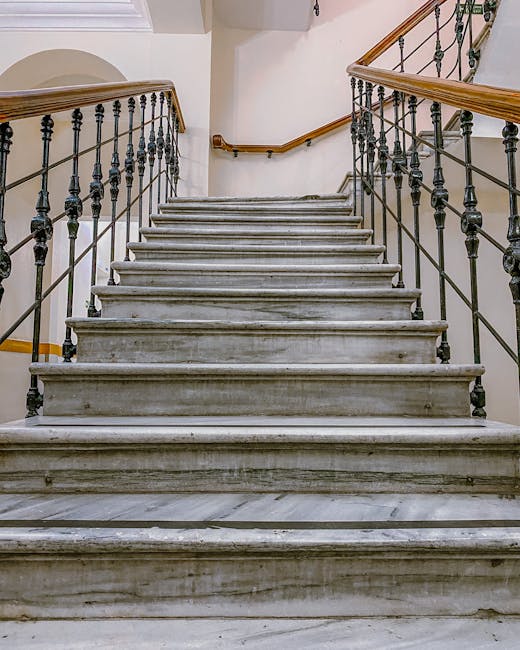
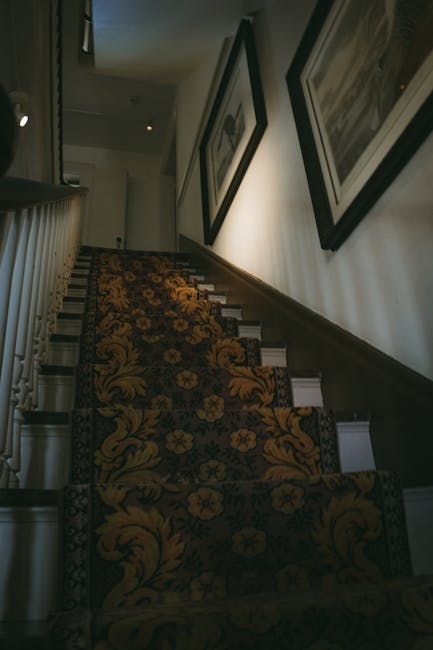
Moving day is stressful enough before you add a tight landing, a sharp turn on the first floor, and a staircase that seems to have been designed for nothing larger than a suitcase. If you are dealing with narrow staircases during removals West Kensington, the real challenge is not just muscle; it is planning, timing, and knowing which items need special handling. That is especially true in local flats and older buildings, where staircases can be awkward, steep, or boxed in by railings and walls.
This guide breaks down what to expect, how to prepare, and how experienced removal teams work around the problem without damaging the property or your belongings. It also covers common mistakes, practical tools, and when it makes sense to use a specialist team such as flat removals in West Kensington or a flexible man and van service in West Kensington. Let's face it, a narrow staircase can turn a straightforward move into a full-on puzzle. The good news? It is a solvable one.
Table of Contents
- Why narrow staircases matter during a move
- How removal teams handle tight staircases
- Key benefits of careful staircase planning
- Who this advice is for
- Step-by-step guidance for a smoother move
- Expert tips that genuinely help
- Common mistakes to avoid
- Tools, resources and recommendations
- Law, compliance and best practice
- Options and methods compared
- Real-world example
- Practical checklist
- Conclusion
- Frequently asked questions
Why Dealing with narrow staircases during removals West Kensington Matters
Narrow staircases change the whole shape of a removal. A sofa that looks manageable in a hallway can suddenly become too wide to turn. A chest of drawers may scrape a wall. A mattress can bend awkwardly at the midpoint, and a fridge that was fine coming in years ago may be a completely different story going out.
In West Kensington, this comes up more than people expect. Flats above ground floor, converted townhouses, Victorian and Edwardian properties, and older mansion blocks often have staircases with limited width, tight bends, or low ceilings on the turn. Even when the staircase is technically passable, it may be slow to use and easy to damage if the team is not careful.
Why does it matter? Because the staircase is usually the narrowest, most delicate part of the move. It affects:
- how much can be moved in one trip
- whether items need dismantling first
- how many movers are required
- the risk of wall scuffs, chipped paint, or broken banisters
- how long the move will actually take
And here is the bit people sometimes underestimate: when a staircase is awkward, poor planning does not just slow things down. It can create a chain reaction. One badly judged lift can block the route, delay the van loading, and leave you with tired movers trying to force a piece that should have been measured properly in the first place.
Expert summary: narrow staircases are not a problem to "push through"; they are a planning problem. The safer and faster approach is to measure, simplify, protect, and move in the right order.
How Dealing with narrow staircases during removals West Kensington Works
The process is usually a mix of pre-move assessment, careful packing, smart handling, and route planning. Good removal teams do not arrive and hope for the best. They assess the property first, then decide whether items should go down the stairs, out through a window or balcony in rare cases, or be dismantled before the move starts.
In practical terms, the job often works like this:
- Measure the difficult items. Sofas, wardrobes, bed frames, washing machines, mirrors, and bookcases are checked against the staircase width, turning space, and landing clearance.
- Protect the property. Stair rails, corners, floors, and walls may be wrapped or padded to reduce the chance of marks.
- Pack for handling, not just storage. Boxes are sealed properly, labelled sensibly, and kept to manageable weights so they can be carried safely up and down.
- Dismantle where needed. Beds, tables, and flat-pack furniture are often easier to move in parts than in one piece.
- Assign a route and lifting plan. The team decides who leads, who supports, and how to turn on the landing without clipping the wall.
- Load the van efficiently. Once downstairs, items are loaded in a way that avoids damage and keeps the whole job moving.
That sounds simple on paper. In reality, a good deal of time is spent on tiny decisions: whether a wardrobe should be tilted, whether a turn should be taken front-first or back-first, whether to remove a door temporarily, and whether the item is actually worth moving intact. These little calls matter more than people think.
If you are arranging a full-house move, it is worth looking at house removals in West Kensington alongside your access constraints, because staircase issues tend to affect the whole schedule, not only the large items. For smaller or student moves, the same planning applies, just with fewer bulky pieces.
Key Benefits and Practical Advantages
People usually think about narrow staircases only as a nuisance. Fair enough. But handling them properly actually gives you a few real advantages.
- Less damage risk. Careful handling protects both furniture and the building fabric, which is especially important in rented properties.
- Faster moving on the day. Once the route is planned, the team can work smoothly instead of stopping every few minutes to reassess.
- Better use of manpower. You do not want too many people crowding a staircase, but you also do not want too few. Good planning gets that balance right.
- Lower stress for you. You are not standing there wondering whether the wardrobe is going to make the turn. Someone competent is already thinking three steps ahead.
- Cleaner handover. In flats and rental properties, keeping walls and banisters unmarked matters when you hand the place back.
There is also a less obvious benefit: a good staircase plan often improves the packing plan too. When movers know access is tight, they usually encourage more compact boxes, lighter loads, and a tidier breakdown of furniture. That makes the whole move more manageable. Not glamorous, but very useful.
Who This Is For and When It Makes Sense
This advice is for almost anyone moving out of, into, or between properties in West Kensington where the staircase is not generous. That includes:
- tenants in upper-floor flats
- homeowners in converted houses
- students moving into shared accommodation
- landlords arranging a changeover
- small offices in older buildings
- people moving bulky furniture such as wardrobes, sofas, and pianos
It makes particular sense if you have any of the following:
- a staircase with a narrow central width or tight turning point
- restricted lift access or no lift at all
- large furniture that was assembled inside the property
- fragile items with awkward shapes
- a move that needs to happen quickly, such as on a tenancy deadline
If you are in a student flat or a smaller rental, you may not need a full-scale removal operation. A well-planned student removal service in West Kensington or a more compact vehicle setup can be enough. If you are moving something specialist, such as a piano, then the staircase question becomes even more important and needs proper handling from the start.
Step-by-Step Guidance
Here is the practical route I would recommend if you want to avoid the usual moving-day drama. It is not fancy, just effective.
- Walk the route before move day. Take a slow look at the stairs, landings, door frames, and any awkward corners. If possible, measure the narrowest point.
- List the items that may struggle. Think beyond the obvious sofa. Bed bases, mattress sizes, dining chairs, wardrobes, mirrors, exercise equipment, and tall lamps can all be awkward.
- Decide what to dismantle. Flat-pack pieces, bed frames, and shelving often move better in parts. Keep screws and fittings in labelled bags.
- Use proper packing materials. Strong boxes, tape, padding, and wrapping matter more when items need to be carried at an angle on stairs.
- Protect the staircase. Floor runners, blankets, and corner guards can prevent scuffs. In a narrow stairwell, even a small bump can leave a mark.
- Stage items sensibly. Put fragile things somewhere safe and items to move first near the exit. That sounds basic, but it saves time.
- Load in the right order. The heaviest and hardest-to-move items should usually be handled while everyone is fresh, not after an hour of carrying boxes.
- Keep the route clear. Shoes, coats, shopping bags, and loose clutter create trip hazards. One tiny pile by the stairs can ruin the flow. Annoying, really.
If you are dealing with same-day pressure or a last-minute tenancy handover, a service such as same day removals in West Kensington can be useful, but only if the access issue has already been flagged. Same-day is not a substitute for planning; it is just a faster timetable.
Expert Tips for Better Results
These are the sorts of things experienced movers think about automatically, but customers often do not. And that is perfectly normal.
- Measure the furniture at its widest point. Not just the body of the item, but handles, legs, and any protruding parts.
- Check the angle of the turn. A staircase can be technically wide enough but still impossible because of the landing shape.
- Remove doors where needed. Sometimes one door lift creates enough clearance to make a difficult move possible.
- Use smaller boxes for books. Heavy boxes on narrow stairs are a bad combination. Very bad, actually.
- Wrap vulnerable corners first. Corners are usually the first point of contact with walls, especially on tight turns.
- Keep communication simple. One person should call the move. Too many instructions on a staircase just creates confusion.
- Leave a clear path from van to front door. The staircase might be the main issue, but the whole route needs to be open.
One small but useful observation: people often overpack bags and boxes because they want to "get it all done" in one go. In narrow stairs, that can backfire. A lighter box carried smoothly is better than a heroic one that twists your shoulder halfway down the stairwell. Truth be told, the heroic box is usually the one that causes the trouble.
If you need help moving valuable or sensitive furniture, it is worth looking at furniture removals in West Kensington or, for more specialist items, piano removals in West Kensington. Those services are usually better suited to awkward access than a generic lift-and-go approach.
Common Mistakes to Avoid
The biggest mistakes with narrow staircases are usually simple ones, which is why they happen so often.
- Not measuring anything. Guessing is a poor strategy when the staircase is the problem.
- Leaving dismantling too late. If a bed frame needs to come apart, do it before the hallway is full of boxes.
- Using oversized boxes. They are hard to balance and even harder to turn on a staircase.
- Ignoring wall protection. One careless scrape can leave visible damage that costs more time later.
- Trying to force bulky items. If a wardrobe is not making the turn, stop and reassess.
- Underestimating the time needed. A tight staircase can slow a move by a surprising amount.
- Forgetting building rules. Some blocks have shared access rules, lift booking windows, or quiet hours. These can affect how the move is carried out.
Another common one: people assume the staircase problem will be solved automatically on the day. Maybe, but not always. It is far better to share photos, measurements, and building details in advance than to leave the crew playing detective at 8:15 in the morning while everyone is waiting on the pavement.
Tools, Resources and Recommendations
You do not need a van full of specialist kit to handle a narrow staircase well, but a few tools make a real difference.
| Tool or item | Why it helps | Best used for |
|---|---|---|
| Furniture blankets | Protects walls, banisters, and item edges | Sofas, tables, wardrobes |
| Strong tape and labels | Keeps dismantled parts organised | Beds, shelving, flat-pack items |
| Ratchet straps | Secures items during loading and transport | Heavy or awkward furniture |
| Floor protection | Reduces scuffs and dirt transfer | Shared hallways and staircases |
| Measuring tape | Helps check clearances before lifting | All awkward items |
For packed items, strong cartons and sensible sizing matter a lot. If you are still sorting supplies, packing boxes in West Kensington can help you prepare in a way that makes staircase handling easier. That is one of those behind-the-scenes choices that pays off later.
If storage is part of the solution, for example when a bulky item cannot safely be moved through the stairs on the day, then storage in West Kensington can be useful as a temporary pressure-release valve. Not every move needs everything to happen at once.
Law, Compliance, Standards, or Best Practice
For this kind of move, the most relevant issues are usually safety, property care, and good operating practice rather than complicated legal theory. Still, there are a few things worth keeping in mind.
Removal work should be carried out with reasonable care to avoid injury and damage. In a practical sense, that means using safe lifting techniques, not overloading people, and not forcing items through spaces that are obviously too tight. In shared buildings, it is also normal to respect access rules, lift booking arrangements, and any quiet-hour expectations set by the landlord, managing agent, or building management.
If a company has a health and safety policy, that is a useful sign that it takes risk management seriously. Likewise, insurance and safety information matters because narrow staircases increase the need for careful handling, not less. Accidents are not common when a team knows what it is doing, but they are more likely if corners are cut. It is as straightforward as that.
For customers, the best practice is simple: disclose access issues early, share accurate information, and ask how awkward items will be handled. If you are comparing providers, that is often the question that separates a good mover from a guessing game.
Options, Methods, or Comparison Table
There is no single correct way to handle a narrow staircase. The right method depends on the furniture, the property, the time available, and how much risk you are willing to accept. Here is a practical comparison.
| Method | Best for | Pros | Drawbacks |
|---|---|---|---|
| Move items intact | Compact or slim furniture | Fast, less dismantling | Can fail on tight turns or low ceilings |
| Dismantle before moving | Beds, tables, wardrobes | Improves clearance and control | Takes more prep time |
| Use specialist handling | Pianos, antiques, bulky sofas | Safer for valuable items | Usually needs more planning and cost |
| Short-term storage first | Moves with access delays | Reduces pressure on moving day | Adds an extra step to the move |
If you are comparing broader move types, it can also help to look at removal services in West Kensington and decide whether you need a full team, a flexible van option, or something somewhere in between. For many flats, a leaner setup works better than a big all-day operation.
Case Study or Real-World Example
Here is a realistic example from a typical West Kensington-style move, without the drama people sometimes expect.
A couple moving out of a first-floor flat had a two-seater sofa, a bed frame, a chest of drawers, and several boxes of kitchen items. The staircase had a sharp turn on the landing and a low ceiling edge near the top. The sofa looked possible at first glance, but once the team checked the angle, it was clear the main issue was not width alone; it was the turning space.
What solved it? The bed frame was dismantled first, the drawers were wrapped and moved separately, and the sofa was taken down with two movers guiding and one spotter at the turn. They used floor protection and paused twice to adjust the tilt. Nothing dramatic. Just careful work. The move finished on schedule, and the walls stayed clean. That is often how the best jobs go: a bit slower in the middle, much smoother overall.
A small detail stood out, too. The customer had already cleared the hall and bagged screws in labelled envelopes. That one step saved a lot of fiddling later. Tiny win, big effect.
Practical Checklist
Before move day, run through this checklist. It keeps the job grounded.
- Measure the staircase width at its narrowest point
- Measure any awkward turns, landings, and low ceilings
- List all large or awkward furniture items
- Decide which items need dismantling
- Pack books and heavy items into smaller boxes
- Label boxes by room and fragility
- Clear hallways, stair treads, and the exit route
- Protect walls, corners, and floors where possible
- Share access details with the removal team in advance
- Check parking and loading access for the van
- Keep important documents and valuables separate
- Confirm timing if the building has access rules
If you are moving out of a flat and need a more focused approach, flat removals in West Kensington are often the most sensible fit. And if you are still comparing providers, you can review pricing and quotes to understand how access constraints may affect the job. No one likes surprises at the end, especially on moving day.
Conclusion
Narrow staircases do not have to derail a move. They just require more preparation, better communication, and a bit of judgement on the day. In West Kensington, where flats and period conversions often come with tight access, that matters even more. The difference between a smooth move and a stressful one is often measured in inches, not metres.
If you remember only one thing, make it this: do not leave staircase problems to chance. Measure early, pack intelligently, protect the route, and choose a service that understands awkward access rather than hoping it will somehow sort itself out. It usually doesn't.
Get a free quote today and see how much you can save.
And if you want to know more about the people behind the service, you can also read about the West Kensington removals team before you book. A little reassurance goes a long way when you are staring down a narrow staircase and a very large wardrobe.
Frequently Asked Questions
How do you move furniture up or down a narrow staircase safely?
The safest approach is to measure the furniture and staircase first, protect the route, and use enough people to control the item without forcing it. Often, dismantling furniture first makes the move far easier.
What should I measure before a removal in a flat with tight stairs?
Measure the narrowest width, the landing turn, any low ceiling points, and the widest part of your furniture. Handles, legs, and protruding edges can change the result more than people expect.
Can a sofa usually fit down a narrow staircase?
Sometimes yes, sometimes no. It depends on the sofa's length, depth, arm shape, and the staircase geometry. A compact sofa may fit where a bulkier one will not, even if the width seems similar.
Is dismantling furniture worth it for a small move?
Often, yes. Dismantling saves space, reduces the chance of scuffs, and makes turns easier. Beds, tables, shelving, and wardrobes are the usual candidates.
Do narrow staircases make removals more expensive?
They can, because they often take more time and may need extra handling or protection. The exact cost depends on the property, the items, and how much preparation is needed.
What if my building has no lift and a very tight stairwell?
That is common enough in older West Kensington properties. A skilled team will usually plan the route carefully, dismantle large items where possible, and use controlled lifting rather than rushing.
Should I tell the removal company about the staircase in advance?
Absolutely. Photos, measurements, and a clear description of the access route help the team plan properly. It can save time and avoid an awkward surprise on the day.
What packing tips help when stairs are tight?
Use smaller boxes for heavy items, keep boxes well sealed, and label fragile contents clearly. Smaller boxes are easier to carry safely on stairs, especially when turns are tight.
Can a man and van service handle narrow staircases?
Yes, if the job is planned properly and the items are suitable for that kind of service. For many flat moves, a flexible man with a van in West Kensington setup is a practical choice.
What happens if an item will not fit through the staircase?
The team may dismantle it, adjust the route, or, in some cases, store it temporarily. The right answer depends on the item and the building. Forcing it is usually the worst option.
How can I protect walls and banisters during the move?
Use blankets, corner guards, and floor protection, and keep one person spotting the item as it passes tight points. That extra pair of eyes can prevent a lot of accidental rubbing.
When should I book help for a staircase-heavy move?
As early as you can, especially if you have large furniture, a deadline, or restricted building access. Early booking gives you time to measure, dismantle, and organise the move properly. It also takes a bit of pressure off, which is never a bad thing.