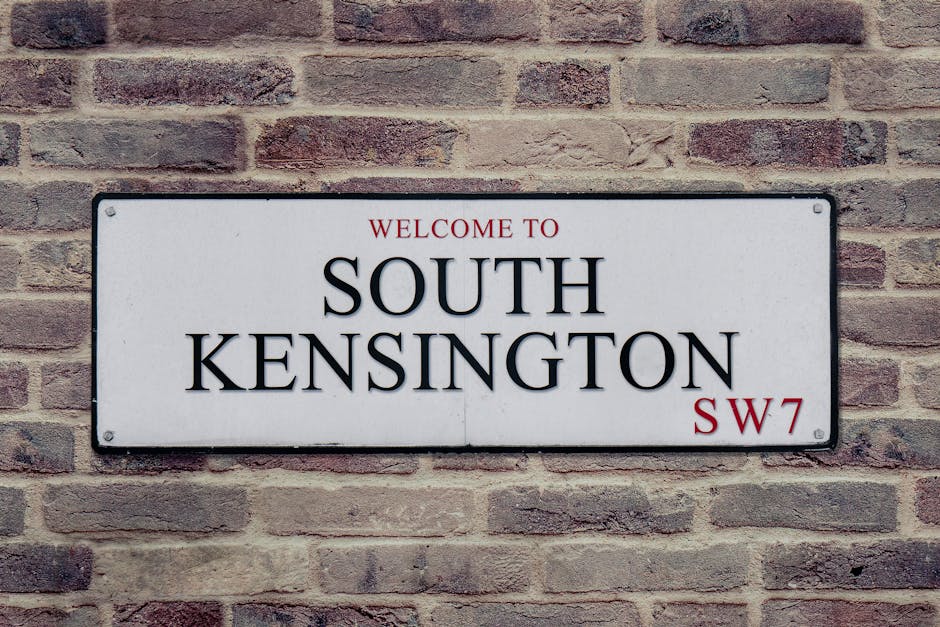

Shop and office removals Kensington High Street West Kensington
Posted on 07/05/2026
If you are planning shop and office removals Kensington High Street West Kensington, you are probably juggling more than boxes. There may be customers to keep informed, stock to protect, staff to coordinate, and a tight window to get everything out without turning the day into chaos. Truth be told, that is exactly why a well-planned commercial move matters so much.
In a busy stretch like Kensington High Street, with its mix of retail, hospitality, professional offices and constant footfall, removals need to be organised around real life. Not just "move the things from A to B". You need access, timing, handling, parking, building rules, and a clear plan for opening again quickly. This guide walks through the practical side of moving a shop or office in West Kensington, so you can make sensible decisions and avoid the usual headaches.
We will cover how the process works, what to expect, the main benefits of using a local removals team, and the mistakes that tend to trip people up. If you are still comparing options, it may help to explore the wider services overview or look at office removals in West Kensington for a more focused service path.
Why Shop and office removals Kensington High Street West Kensington Matters
A commercial move is not the same as a home move with a few extra laptops. Shops carry stock, display units, tills, fixtures, branded materials and often fragile items that need to be handled in a specific order. Offices bring another layer: confidential files, desks, screens, network equipment, chairs, storage, and people trying to keep work going while the move is happening.
In West Kensington, location adds another practical challenge. Roads can be busy, loading time may be limited, and many properties have shared access, lifts, stairwells or trade delivery constraints. If you have ever watched a trolley get stuck at exactly the wrong moment in a narrow doorway, you will know the feeling. Small delay, big stress.
That is why proper planning is not just nice to have. It protects revenue, staff time and your reputation. A late reopening or damaged stock can cost far more than people expect. For many businesses, the move itself is only a few hours; the disruption around it is where the real cost sits.
Expert summary: The best commercial removals are the ones that feel almost boring on the day. No scrambling, no mystery boxes, no "where did the printer cable go?" Just a clean handover, a sensible sequence, and a quick return to business.
For businesses that want a more local, service-based approach, removal services in West Kensington can provide the flexibility needed for smaller shops, pop-up units, studios and offices that do not need a huge lorry but still need proper care.
How Shop and office removals Kensington High Street West Kensington Works
Most commercial removals follow a similar pattern, although the scale changes depending on whether you are relocating a small boutique, a clinic reception, a shared office, or a larger retail space. The key is to break the move into stages so the process stays manageable.
1. Survey and planning
The first stage is usually a conversation about what needs moving, what must be dismantled, what is fragile, and what needs special handling. Good planning also looks at access points, parking restrictions, lift availability and the best time to load or unload. On a street like Kensington High Street, timing can matter a lot more than people realise.
2. Packing and protection
Stock, documents, electronics and fittings should be packed in a way that matches how they will be used at the other end. A box full of mixed cables and desk parts sounds harmless until someone needs to rebuild a workstation before opening the next morning. Packing properly saves those awkward moments later.
If you need help with supplies, take a look at packing and boxes in West Kensington and the more detailed package and boxes support pages. They are especially useful when you are trying to work out how many cartons, tape rolls or protective materials you actually need.
3. Dismantling and preparation
Desks, shelving, cabinets and some retail fixtures may need to be dismantled before moving. This is one of those jobs that seems straightforward until you are looking at ten screws, two Allen keys and a shelf unit that was assembled "by eye" five years ago. Good movers know how to keep parts together and labelled.
4. Loading and transport
Items are loaded in a sensible order to protect fragile pieces and to make unloading easier. That means heavy items first, protected properly, and priority items placed where they can be accessed quickly at the destination. A well-packed van is not just about fitting everything in; it is about making the delivery end smoother.
5. Delivery, placement and setup
Once on site, items should be unloaded into the correct areas where possible. For offices, that may mean reception, storage, workstations or meeting rooms. For shops, it may involve stockroom placement, display areas and front-of-house items. If the team knows the plan, the last hour of the move often feels far calmer than expected.
For smaller jobs, some businesses choose a more agile vehicle-based solution such as a man and van service in West Kensington or a dedicated removal van. That can be ideal for compact office moves, stock transfers or phased relocations.
Key Benefits and Practical Advantages
There are a few solid reasons businesses choose a professional removals service rather than trying to improvise with a few staff members and a borrowed vehicle.
- Less downtime: A structured move reduces the time your shop or office is unusable.
- Better protection for stock and equipment: Proper wrapping, lifting and loading lowers the chance of damage.
- Clearer coordination: Someone is in charge of the process instead of everybody half-packing at once.
- Local knowledge: Knowing the streets, access points and timing quirks around Kensington helps avoid delays.
- Less staff disruption: Your team can stay focused on their actual work rather than becoming temporary removal labour.
There is also a softer but important benefit: peace of mind. Moving a business is stressful enough without wondering whether the till drawer, the display stock and the printer leads are all in one place. A good local team gives you a framework, and that counts for a lot.
If you are comparing providers, it can help to review removal companies in West Kensington and check what each one includes. Some focus on volume and bigger commercial jobs, while others are better for smaller, time-sensitive relocations.
| Move type | Best for | Typical priority | Key risk if rushed |
|---|---|---|---|
| Small shop move | Boutiques, salons, kiosks, independent retailers | Stock protection and display items | Broken fittings, missing stock, delayed reopening |
| Office move | Agencies, consultancies, small companies, shared offices | IT, documents and workstation order | Lost files, cable chaos, extended downtime |
| Mixed commercial move | Retail plus admin space, studios, clinic-style premises | Sequencing and room-by-room placement | Operational confusion on day one |
Who This Is For and When It Makes Sense
This service makes sense for a wide range of businesses. Some are moving a few streets away. Others are relocating across London. A few are simply reconfiguring space, which still benefits from professional help if large items, stock or equipment are involved.
It is a good fit for:
- Independent retailers moving between units
- Offices shifting location or expanding into larger premises
- Pop-up shops needing short-notice transfers
- Salons, studios and treatment rooms with specialist furniture
- Start-ups that need a practical, cost-aware move
- Businesses that need phased removals rather than one big event
Sometimes the need is more temporary. A shop might be closing for refurbishment and moving stock into storage for a few weeks. An office might be decanting part of its setup while works happen. In those cases, a local storage option in West Kensington can be a very sensible bridge between one location and the next.
And if your move is tied to a larger property change, you may also want to look at flat removals in West Kensington or house removals in West Kensington if staff are moving home around the same time. It sounds unrelated, but in real life those schedules often overlap. Busy month, isn't it.
Step-by-Step Guidance
Here is the simplest way to approach a commercial move without turning it into a last-minute scramble.
- Audit what is moving. Make a room-by-room or area-by-area list. Include stock, fixtures, IT equipment, paperwork and anything valuable or fragile.
- Set your move window. Decide whether you are moving after hours, over a weekend or in stages. For many businesses, that decision shapes everything else.
- Measure access properly. Check door widths, stair turns, lift sizes and any loading restrictions. One awkward corner can change the plan.
- Pack by function, not just by room. Keep similar items together and label boxes with both contents and destination area. "Office" is too vague. "Reception printer supplies" is useful.
- Back up digital data. This is one of those simple steps that saves a lot of pain later. Especially if hardware is being moved or disconnected.
- Protect anything delicate. Screens, glass, mirrors, display pieces and stock with odd shapes need proper wrapping and spacing.
- Plan the first hour at the new site. Put priority items near the front of the van or clearly marked for immediate access.
- Assign one decision-maker. Too many people giving instructions at once slows everything down. One person, one plan.
A small but useful trick: keep a "first open" box. Put in the bits that let you function on day one. Keys, charger cables, tape, scissors, kettle if you are that way inclined, maybe a couple of clean cloths. It sounds tiny. It is not tiny when everyone is standing around at 8:15am trying to find the labels.
Expert Tips for Better Results
These are the things that tend to make a move feel smoother, especially in areas with tight timing and busy streets.
Prioritise the opening order
Do not think only in terms of what is being moved. Think in terms of what needs to be operational first. A shop may need the till, card reader and front display before the stockroom is fully sorted. An office may need internet, one printer and a handful of desks before the archive room is touched.
Label clearly, and then label again
A label that can be seen from two metres away is better than one written with a pen so faint nobody can read it. Use room names, contents and any handling notes such as "fragile" or "priority". Slight overkill here is a good thing.
Take photos before dismantling
If you are taking apart shelving, displays or custom furniture, a quick phone photo can save time later. It helps with reassembly and avoids the classic "was this bracket on the left or right?" moment.
Keep important paperwork separate
Contracts, tenancy documents, inventory lists and insurance records should travel separately from the general move. Don't bury them under a pile of files and hope for the best. That tends to end badly.
Build in a buffer
Even a well-run move benefits from a little extra time. A lift might be busy. A loading bay might be occupied. A client might call with one more thing to add. A buffer gives you room to stay calm.
For businesses that want help with the hands-on side of moving items safely, it may also be worth checking the practical guidance on insurance and safety and the site's health and safety policy. Those pages are useful if you want to understand how safety and care are approached during a removal.
![Two movers from West Kensington Man and Van, dressed in dark clothing, are positioned outside a shop on Kensington High Street, involved in the process of home relocation or furniture transport. One mover is holding a large black plastic crate, while the other is standing nearby with a handcart, both facing the shop. The shop's signage features Chinese characters and the word 'GUANGH', and the interior displays various items, likely souvenirs or gifts, visible through the large glass window. A moving truck with an open side door and plastic coverings on its loading ramp is parked directly outside, ready for loading or unloading goods. The scene is set on a pavement in an urban environment, with detailed elements including a small step at the storefront entrance, adjacent blue storefronts with orange informational posters, and the surrounding building facades. The lighting appears natural, suggesting daytime, and the overall context reflects professional packing, loading, and transport activities associated with house or office removals conducted by [COMPANY_NAME] as part of a comprehensive moving service on Kensington High Street.](/pub/blogphoto/shop-and-office-removals-kensington-high-street-west-kensington2.jpg)
Common Mistakes to Avoid
Most moving problems are avoidable. The frustrating part is that they are usually avoidable in fairly boring ways. The good news is that boring is fixable.
- Leaving packing too late: Last-minute packing leads to poor labelling and damaged items.
- Forgetting access restrictions: A van may be fine, but the route to the door may not be.
- Mixing priorities: Do not pack key office items underneath seasonal stock or spare chairs.
- Ignoring IT preparation: Cables, monitors and routers need a proper disconnection plan.
- Not notifying staff or suppliers: Everyone should know where to go and when.
- Assuming insurance covers everything automatically: Check what is included and what is not.
- Underestimating the time needed to settle in: The move itself may be quick; the reset usually takes longer.
The biggest mistake? Treating a commercial move like a simple delivery. It is a change in operations, not just transport. Once you see it that way, the planning gets sharper pretty quickly.
Tools, Resources and Recommendations
You do not need fancy equipment for every move, but a few practical tools make a genuine difference.
- Strong cartons and archive boxes: Best for documents, stationery and smaller stock items.
- Bubble wrap and protective paper: Useful for fragile goods, glass and display items.
- Furniture blankets: Help protect desks, counters and shelving during transit.
- Labels and marker pens: Simple, but absolutely essential.
- Trolleys and straps: Good for heavier items and repeated trips.
- Basic tool kit: Needed for dismantling and reassembly.
If you are still gathering supplies or want to understand moving options better, the local man with a van and man with a van West Kensington pages are useful for smaller-scale commercial work, while removals in West Kensington gives a broader view of available support.
For businesses with a public-facing premises, it can also help to review local area context, especially if customer access matters. Some companies keep an eye on neighbourhood content such as home listings in Kensington or nearby local updates simply to understand the pace of the area. Not essential, of course, but useful if you operate in a mixed residential and commercial market.
Law, Compliance, Standards, or Best Practice
Commercial removals in the UK are guided less by one single rule and more by a mix of good practice, contract terms, building requirements and common-sense safety. It is worth being careful here. The details can vary by property, landlord, insurer and the type of goods being moved.
A few areas usually matter:
- Access and parking: Some buildings and streets require permits, booking slots or clear loading arrangements.
- Health and safety: Safe lifting, clear walkways and sensible loading procedures should be standard.
- Insurance: Ask what cover applies to goods in transit, handling and liability.
- Data protection: Confidential records should be managed carefully, especially in offices with sensitive files.
- Lease or landlord rules: Some buildings have time windows, lift booking rules or restrictions on moving large items.
If your business handles sensitive information, expensive stock or specialist equipment, you should be extra cautious. Not alarmed - just cautious. A quick check before moving day is worth much more than a rushed fix afterwards.
For further trust and operational detail, the site's terms and conditions, payment and security page, and recycling and sustainability information may also be helpful when you are assessing how a provider works.
Options, Methods, or Comparison Table
Different businesses need different levels of support. A small design studio does not need the same move structure as a larger retail unit. Here is a simple comparison to help you think it through.
| Option | Best for | Pros | Trade-offs |
|---|---|---|---|
| Self-managed move | Very small loads, low-value items, internal reshuffles | Low direct cost | More staff time, more risk, harder to coordinate |
| Man and van service | Smaller offices, boutique shops, staged transfers | Flexible, quick, usually cost-effective | Less suited to large multi-department moves |
| Dedicated office or shop removal team | Commercial moves with fragile, bulky or high-priority items | Better planning, handling and coordination | Usually more involved in scope and scheduling |
| Storage plus phased removal | Refits, staged reopenings, temporary decants | Reduces pressure on moving day | Requires extra planning and timing discipline |
For many businesses around Kensington High Street and West Kensington, the middle option is the sweet spot. Big enough to be handled properly, but not so complex that it becomes a project in itself.
Case Study or Real-World Example
Picture a small independent shop moving from one unit to another just off Kensington High Street. The business has display shelving, boxed stock, a till system, mirrors, a back-office desk and a few pieces of branded furniture. Nothing enormous, but enough that a casual approach would be risky.
The owner splits the move into three parts. First, stock and documents are sorted and labelled a few days in advance. Second, display items and furniture are dismantled and photographed. Third, the actual move is scheduled for a quieter window so loading is easier and customers are not walking through the process.
On the day, the team prioritises the till area, essential stock and the office desk so the business can reopen quickly. Less urgent storage items are delivered later. The result is not dramatic. And that is the point. The shop is ready, the staff know where things are, and there is no frantic search for the charger cable behind three boxes of gift wrap.
That kind of move shows why planning matters more than brute force. Anyone can move a box. Not everyone can move a business without causing three days of avoidable disruption.
Practical Checklist
Use this checklist before move day. It is simple, but it covers the things people most often forget.
- Confirm the moving date and access times
- Check parking, loading and building entry arrangements
- List all items being moved, including furniture and stock
- Back up computers and important files
- Label boxes with contents and destination room or area
- Separate confidential documents from general packing
- Photograph dismantled furniture before it is taken apart
- Prepare an essential first-day box
- Make sure staff know what happens and when
- Check insurance, terms and any building requirements
- Arrange storage if part of the premises is not moving immediately
- Keep contact details for the moving team close at hand
One small practical note: if you are moving early in the morning, have a few things ready the night before. It sounds obvious, but at 6:30am obvious can become slippery.
Conclusion
Shop and office removals in Kensington High Street and West Kensington work best when they are treated as an operational project, not just a transport job. The more clearly you define what is moving, when it is moving, and how it should be received at the other end, the smoother the whole process becomes.
Whether you are relocating a compact office, a retail unit, or a mixed commercial space, the real goal is the same: protect your assets, keep disruption down, and get back to business as quickly as possible. A local removals team with the right approach can make a surprisingly big difference there.
If you are weighing up next steps, start with a clear inventory, a realistic move window and a provider that understands local access and commercial pressures. Small decisions now save big problems later. That's usually how these things go.
Get a free quote today and see how much you can save.
And if you want to speak to a local team about your move, you can always get in touch here. A straightforward conversation at the start often makes the rest of the job feel much lighter.